UK ILR Changes 2026: The 10-Year “Earned Settlement” Plan — What’s Real and What Isn’t
If you’re on a UK visa and you’ve seen scary headlines about a “10-year wait” for settlement, take a breath — because most of what’s being shared online is only half true. The UK is planning the biggest overhaul of Indefinite Leave to Remain (ILR) in decades, but a lot of what people are panicking about isn’t law yet. Here’s the honest, up-to-date breakdown of what’s actually changed, what’s only proposed, and what you can sensibly do right now.
Has the 10-year ILR rule become law? No. As of mid-2026, the standard qualifying period for Indefinite Leave to Remain is still five years for most routes. The proposed 10-year “earned settlement” model has been through consultation but has not been written into the Immigration Rules — no rules introducing a 10-year baseline have been laid before Parliament. Existing five-year routes remain fully in force.
That distinction — proposed versus in force — matters enormously, and a lot of online commentary blurs it. So let’s be precise.
What’s actually confirmed and in force
A few settlement-related changes are real and dated. Don’t confuse these with the headline 10-year proposal:
- The ILR application fee rose to £3,226 per person from 8 April 2026. This is a significant jump and applies now.
- A higher English requirement for several settlement routes — CEFR Level B2 — takes effect from 26 March 2027, introduced via the March 2026 Statement of Changes (HC 1691). People who expected to settle at the old B1 standard will generally need B2 from that date unless exempt or able to apply before it starts.
- Related work-route changes are already in place: the Skilled Worker salary threshold rose to £41,700 (July 2025), the skill level was raised to degree level (removing many occupations), overseas recruitment of care workers ended, and new Skilled Worker applicants have needed B2 English since January 2026.
Those are the confirmed facts. Everything below this line is still a proposal.
What’s only proposed — the 10-year “earned settlement” model
The big one — doubling the qualifying period from five years to ten — is a proposal, not law. Here’s where it comes from and what it would do.
The idea began in the government’s May 2025 Immigration White Paper, Restoring Control over the Immigration System, and was developed in a November 2025 consultation paper titled A Fairer Pathway to Settlement. That consultation closed on 12 February 2026 and reportedly drew more than 200,000 responses. The Home Secretary has since indicated the government intends to proceed, with implementation targeted for autumn 2026 — but the final Immigration Rules still have not been laid before Parliament.
Under the proposed model, settlement would no longer follow automatically from time spent in the UK. Instead, it would be “earned” through a combination of factors the government groups under four pillars: integration, contribution, character, and residence.
The headline proposals:
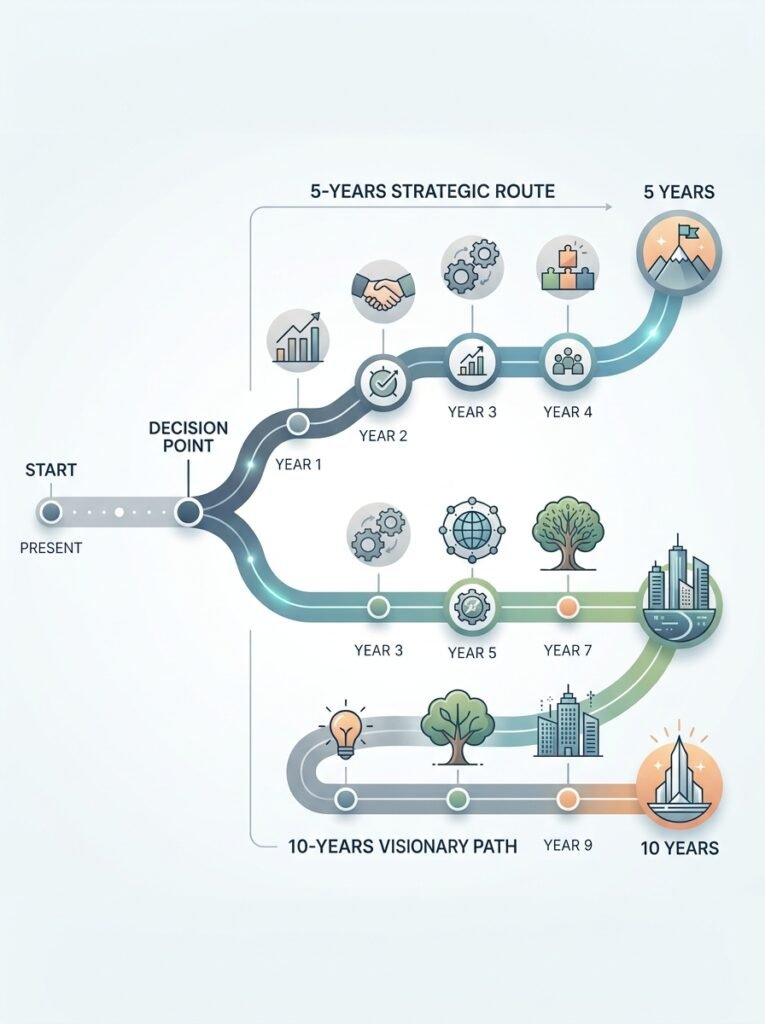
- A 10-year baseline qualifying period for most migrants, replacing the current five years.
- Faster routes for high earners. The consultation floated income above £125,140 for three consecutive years cutting the wait by up to seven years — potentially a three-year route — and income above £50,270 reducing it by up to five years.
- Shorter routes for public-service workers such as NHS staff and teachers are among the categories expected to keep a reduced timeline.
- Longer waits for others. A possible 15-year baseline was floated for lower-paid or “medium-skilled and below” roles (which could include many care workers), and refugees could face a 20-year baseline.
- Penalties stretching to 15–30 years for those who claim public funds, overstay, or entered the UK illegally.
- Dependants may need to qualify independently, rather than settling automatically alongside the main applicant.
Crucially, none of these figures or timelines are law yet. The consultation set them out as proposals, and the final rules could differ.
Who would — and wouldn’t — be affected
This is the part causing the most anxiety, so let’s be clear about what the government has actually said.
Not affected: Anyone who already holds ILR keeps it — the government has been explicit that it will not strip settled status from those who already have it. People with settled or pre-settled status under the EU Settlement Scheme, and those covered by Windrush arrangements, are also outside these proposals.
Potentially affected: The government’s stated intention is that the new model would apply to people already in the UK who have not yet secured ILR — including those currently on a five-year path. That’s the controversial part, and it’s why the reform has drawn strong opposition (more on that below). Whether there will be “transitional arrangements” to protect those already close to qualifying is still being decided.

Why this is so controversial
The government frames the reform as a way to reduce net migration and ensure settlement reflects genuine, sustained contribution to the UK rather than simply time spent in the country. Supporters argue a longer, contribution-based route strengthens public confidence in the system.
Opponents argue it’s unfair to change the rules retrospectively on people who moved to the UK, built lives, and planned around a five-year route. Public petitions opposing the 10-year plan gathered well over 200,000 signatures combined and triggered parliamentary debate, with critics warning the uncertainty disrupts families, finances, and housing decisions for people who did everything by the book. Both views are part of the current debate, and the final policy will be shaped by the consultation response.
Should you apply for ILR now under the current rules?
This is the practical question, and the honest answer is: it depends on your timeline — and this is not legal advice.
- If you already qualify (or will qualify soon) under the current five-year rules, many immigration advisers suggest seriously considering applying as soon as you’re eligible. The current five-year route remains fully in force, and applications are assessed under the rules in place on the date you apply. Applying before any new rules take effect could lock in the shorter route.
- If you’re years away, you can’t apply early, but you can prepare: keep your residence and absence records clean and well-documented (compliance features heavily in the proposed model), get your English to B2 (confirmed for settlement from March 2027), pass or prepare for the Life in the UK test, and keep your digital/eVisa status in order.
- If you’re unsure, take proper advice from a qualified immigration adviser before making decisions — especially before paying for anything or changing jobs.
What happens next
The government is analysing the consultation responses and has signalled an autumn 2026 timeline, but nothing is final until the Immigration Rules are actually laid before Parliament. Watch for the government’s formal consultation response and any Statement of Changes, which will confirm the qualifying periods, the reduction and penalty mechanics, and — critically — whether there are transitional protections for people already on a settlement path. We’ll update this guide as the rules are confirmed.
Key Takeaways
- The 10-year ILR rule is not law — as of mid-2026 the standard qualifying period is still five years for most routes.
- Confirmed and in force: the ILR fee is now £3,226; a B2 English requirement for several settlement routes starts 26 March 2027.
- The “earned settlement” overhaul (10-year baseline, contribution-based) is proposed, targeted for autumn 2026, but the Immigration Rules haven’t been laid.
- The government intends it to apply to people already in the UK without ILR; existing ILR holders, EU Settlement Scheme, and Windrush are not affected.
- High earners could get a faster route; lower-paid roles and refugees could face longer waits — all still proposals.
- If you qualify soon under current rules, consider applying promptly; if not, prepare (English, compliance, records) and take advice.
also read: https://visa.umtr.asia/express-entry-category-based-draws-2026/
FAQ
Q1. Is the 10-year ILR rule now law in the UK? No. As of mid-2026, the standard qualifying period for Indefinite Leave to Remain is still five years for most routes. The 10-year “earned settlement” model has been through consultation but has not been written into the Immigration Rules, and no rules introducing a 10-year baseline have been laid before Parliament.
Q2. When will the earned settlement changes take effect? The government has signalled an autumn 2026 target, but no binding date is confirmed and the final Immigration Rules have not yet been laid. The consultation closed on 12 February 2026 and responses are being analysed.
Q3. Will the 10-year rule apply to people already in the UK? The government’s stated intention is that the new model would apply to people already in the UK who have not yet obtained ILR, including those on a current five-year path. However, whether there will be transitional protections for those close to qualifying is still being decided.